
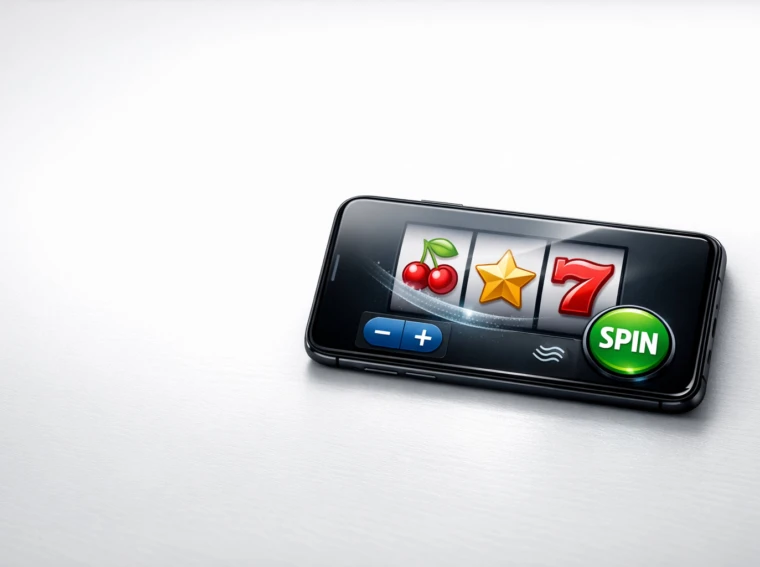
The evolution of touchscreen technology is influencing how online casino games are designed and played. Mobile-first experiences require intuitive, fast, and comfortable play, especially in the world of slot games. As touchscreen features become more advanced, each tap, swipe, and gesture changes how players interact with games on a practical level.
Touchscreen devices are now a primary way for many people to access online casino content, leading to new expectations for slots and other game formats. Players often seek speed, ease of use, and comfort, driving the need for responsive and gesture-friendly design. The move toward one-thumb play, larger tap targets, and efficient feedback reflects these evolving preferences. As touchscreen innovations continue, developers are updating gaming environments to provide fluid, engaging play experiences for a wide range of users.
Mobile-first habits demand smarter game controls
Play sessions on mobile devices are often shorter and may be interrupted, affecting how frequently and in what style players engage with games. This has encouraged designers to prioritize simplicity and speed, ensuring that a single touch can start, stop, or change the course of a game without requiring complex menu navigation or awkward movements.
Comfort is a key principle, particularly for those who prefer to play with one hand or a single thumb. Designers position interactive elements where players’ thumbs can naturally reach them, balancing engaging features with the practical needs of mobile ergonomics.
The shift toward mobile-first design has also influenced how developers approach bet adjustment and game settings. Rather than relying on traditional slider controls that can be imprecise on smaller screens, many modern slot games now feature dedicated increment buttons or quick-select bet options that allow players to modify their stakes with minimal effort. This streamlined approach reduces friction during gameplay and helps maintain momentum, particularly for players who prefer rapid-fire sessions. Additionally, the integration of persistent control bars that remain accessible without scrolling ensures that essential functions are always within reach, regardless of screen size or orientation.
Gestures, haptics, and reducing accidental taps
Slot games now include a variety of touchscreen gestures, such as taps, swipes, pinches, and press-and-hold actions. These inputs allow users to spin reels, adjust bets, and access menus more efficiently. As gesture libraries expand, visual and tactile feedback confirm each interaction for the player.
Haptic feedback, like subtle vibrations, reinforces user actions and can help signal that a command has registered. Slot games increasingly incorporate gesture consistency and safeguards to reduce the chance of accidental taps, for example by requiring more deliberate movement for higher-value actions.
Advanced touchscreen technology has enabled developers to implement pressure-sensitive controls that distinguish between light taps and firmer presses, adding another layer of intentionality to player actions. Some slot games now use this capability to prevent unintended bets or spins, requiring a deliberate press to confirm significant decisions. Furthermore, customizable haptic intensity settings allow players to adjust vibration feedback according to their preferences, creating a more personalized experience. Gesture recognition algorithms have also improved significantly, becoming better at differentiating between intentional swipes and accidental screen contact, which is particularly valuable during extended play sessions when hand fatigue may affect precision.
User interface Layouts and visual Accessibility features
Touchscreen innovations have led to changes in how slot game interfaces are structured. Larger, well-spaced buttons help reduce errors, while clear visual hierarchy keeps important elements easy to find, even on small screens.
Designers apply thumb zone mapping to prioritize key controls in natural positions for users’ fingers. Accessibility features such as scalable fonts, high-contrast color schemes, and optional left-handed modes expand usability to a wider audience and support players with different needs.
Responsiveness, Fairness cues, and animation Leading practices
Immediate and responsive feedback helps demonstrate trustworthiness and professionalism in mobile casino games. When a button is tapped or a spin is started, micro-animations and quick responses provide a smooth flow, avoiding artificial delays that might impact perceptions of fairness.
Animations clarify whether an action has succeeded, but they must avoid slowing down gameplay. Effective interaction design separates feedback from the outcome of the game itself, supporting player trust by keeping these processes clear and reliable.