

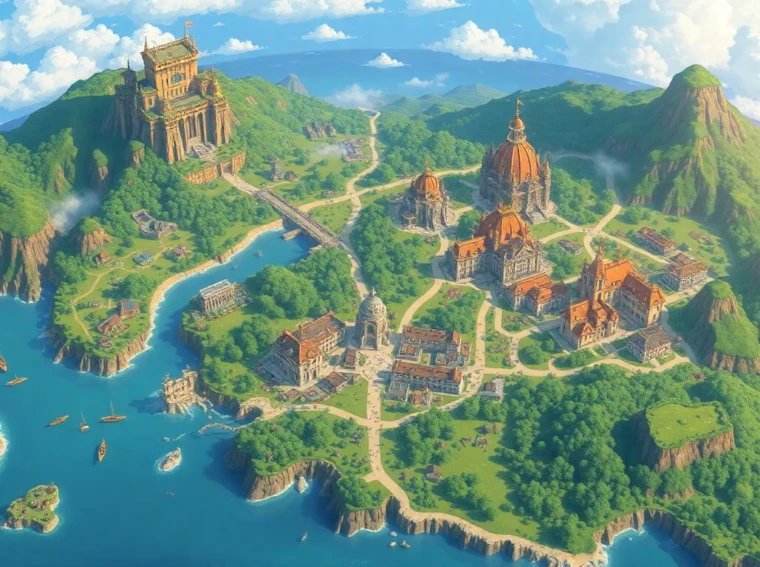
In the vast universe of gaming, few franchises capture the imagination quite like Final Fantasy. With its sprawling worlds and intricate maps, players find themselves on epic quests filled with adventure and unexpected surprises. Whether it’s traversing the lush landscapes of Eorzea or navigating the pixelated realms of the original title, each map tells a story that beckons players to explore every nook and cranny.
Final Fantasy Map
Final Fantasy maps captivate players with their intricate designs and expansive landscapes. Each map, from Eorzea’s vast plains to the pixelated realms of classic titles, creates unique experiences for exploration. The maps’ diversity showcases fantasy settings, varying from bustling cities to serene countryside, enhancing the game’s immersive nature. Players encounter rich lore and hidden secrets within each location, reinforcing the stories that unfold.
Dungeons and towns feature prominently on these maps, contributing to the overall structure and feel. Cities serve as hubs for quests and merchants, while dungeons challenge players with monsters and puzzles. Interaction with non-playable characters enriches the narrative, drawing players deeper into the story.
Map layouts evolve throughout the franchise, adapting to advancements in technology and storytelling. Classic titles utilize pixel art to establish charm, while modern games leverage 3D environments for realism. This evolution shows how map design influences gameplay and player engagement.
Strategically placed landmarks guide navigation across vast terrains. Players can find significant points of interest, like ancient ruins or mythical creatures, enhancing the sense of adventure. Cinematic cutscenes complement the maps, providing context and emotional weight to the journey.
Engaging in quests across these diverse landscapes stimulates exploration and discovery. Chapter-specific maps explore various themes, adding depth to the overarching narrative. As players traverse these captivating worlds, they experience an unparalleled connection to the Final Fantasy franchise.
Iconic Maps in Final Fantasy Series
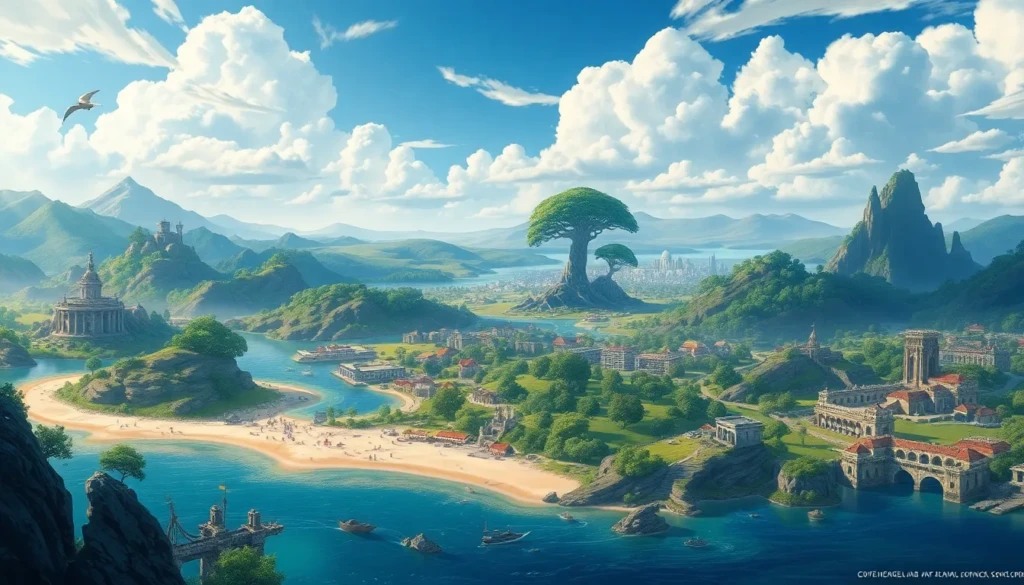
Final Fantasy features a range of iconic maps that captivate players with their design and storytelling elements.
The World of Gaia
Gaia serves as the setting for Final Fantasy IX. This world presents diverse environments, from the lush forests of Mist to the sandy shores of the Outer Continent. Players encounter various cities, like Lindblum and Alexandria, each rich with lore and unique quests. Mystical locations, such as the Iifa Tree and Crystal World, enhance the narrative, encouraging exploration. Intricate pathways connect regions, allowing for seamless travel between contrasting landscapes. Gaia’s charm lies in its blend of ancient and modern influences, contributing to the overall experience.
Spira: A Unique Topography
Spira, introduced in Final Fantasy X, showcases a distinct topography marked by its islands and underwater realms. Players navigate between cities like Besaid and Luca, each beautifully crafted to reflect the culture of its inhabitants. Unique geographical features, such as the calm waters of the Sea of Sorrow, visually distinguish locations. The presence of the stunning Zanarkand ruins adds depth to the story, inviting exploration. Interacting with the land’s various environments enriches the experience, creating memorable adventures throughout Spira.
Eorzea: The Realm of Light
Eorzea, the vibrant world of Final Fantasy XIV, immerses players in a richly detailed landscape. From the majestic peaks of Coerthas to the lush greenery of Gridania, Eorzea boasts a wide variety of terrains. Cities such as Ul’dah thrive with commerce, while areas like Limsa Lominsa present maritime culture. Players encounter captivating quests and events that enhance their journey. A dynamic environment, Eorzea evolves with ongoing updates and expansions, introducing new regions and challenges. As players explore, the deep connection to the land and its inhabitants grows stronger.
Map Design and Evolution
Final Fantasy maps showcase a dynamic evolution shaped by cutting-edge technology and artistic creativity. Each installment boasts unique designs that deepen player immersion.
Technological Advances in Mapping
Technological strides significantly enhanced the complexity of Final Fantasy maps. Early games featured pixelated graphics, creating straightforward, linear paths. As hardware improved, 3D environments emerged, allowing for expansive worlds. Players now navigate meticulously crafted landscapes filled with interactive elements and realistic physics. The introduction of open-world mechanics in titles like Final Fantasy XV expanded exploration opportunities, enabling players to traverse diverse terrains freely. Advanced mapping tools further enrich each environment, enhancing detail and accessibility.
Artistic Styles Through the Years
Artistic expression defines the visual identity of Final Fantasy maps. Early titles embraced vibrant pixel art, offering charming, nostalgic visuals. Later entries transitioned to anime-inspired character designs, blending realism and fantasy seamlessly. The shift to 3D graphics introduced intricate detail, enriching the overall aesthetic. Titles like Final Fantasy IX and X feature lush environments that invite exploration. Final Fantasy XIV continues this trend with a diverse art style that evolves with each expansion, maintaining a rich, captivating visual experience. The blend of artistic innovation and storytelling remains central to the franchise’s enduring appeal.
Community Creations and Resources
Final Fantasy boasts a vibrant community dedicated to creating resources that enhance gameplay experiences. Players continuously contribute innovative content, enriching the exploration of these expansive worlds.
Fan-Made Maps
Community members frequently design intricate fan-made maps, showcasing their favorite locations within the franchise. These maps often highlight hidden treasures and paths not typically visible in official designs. Projects like the detailed map of Eorzea from Final Fantasy XIV illustrate player creativity. Various websites host collections of these maps, allowing gamers to easily locate points of interest. Many fans also share downloadable content for personal use, fostering a collaborative spirit. The effort put into these fan maps reflects deep passion for the series, enhancing exploration and discovery.
Interactive Mapping Tools
Numerous interactive mapping tools have emerged, enabling players to explore Final Fantasy worlds in unprecedented ways. Tools like map utilities allow users to zoom in on specific regions or search for quest markers. These platforms often include user-generated content, fostering an engaging experience. Gamers rely on dynamic overlays to track resources, NPC locations, or quest lines, making navigation simpler. Many of these tools integrate seamlessly with the games, providing real-time updates with game revisions. Collectively, these resources cultivate a deeper connection with the franchise, supporting both new and returning players in their adventures.
Conclusion
The Final Fantasy franchise continues to captivate players with its richly designed maps and immersive worlds. Each setting tells a unique story that invites exploration and discovery. From the pixelated charm of earlier titles to the stunning realism of modern entries the evolution of map design reflects both technological advancements and artistic creativity.
The vibrant community around Final Fantasy enhances the experience even further. Fan-made resources and interactive tools provide players with new ways to engage with these expansive landscapes. This ongoing collaboration fosters a deeper connection to the franchise making every adventure memorable. As players continue to traverse these intricate maps they’ll find that the journey is just as rewarding as the destination.