

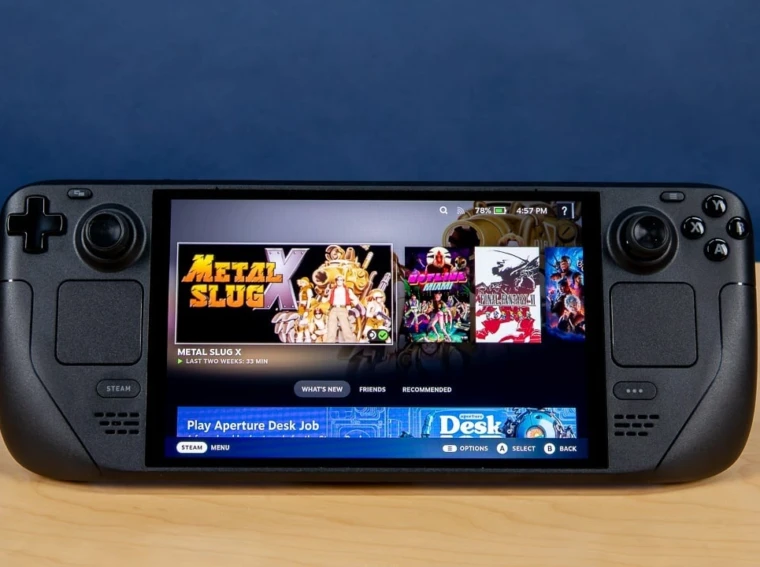
The gaming landscape is rapidly evolving, which leaves many enthusiasts constantly on the lookout for the next best device. The LCD Steam Deck, Valve’s foray into handheld gaming, captured the attention of tech enthusiasts, console gamers, and mobile gamers alike.
However, as of recent announcements, production of the LCD iteration has officially ceased. This decision has left many wondering about the reasons behind it and what this means for the future of portable gaming, so let’s dive straight in to find out more.
The shift in consumer demand
One of the primary reasons for discontinuing the LCD Steam Deck production is the ongoing shift in consumer demand. As the gaming community grows, preferences shift towards devices that not only offer versatility but also leverage the latest technology.
While the LCD Steam Deck was a marvel of engineering when it was launched, the market has since evolved, with competitors such as the Nintendo Switch OLED and various smartphones showcasing superior display technologies.
The prevalence of high-quality displays means gamers are becoming increasingly concerned about screen performance. The LCD’s limitations began to show, particularly in contrast to newer models featuring OLED screens, which provide more vibrant colours and deeper blacks.
Gamers looking for immersive experiences often prefer devices that utilise cutting-edge technology, and the muted palette of the LCD Steam Deck no longer meets these expectations.
Technological advancements and competition
The gaming hardware industry is marked by relentless innovation, and companies are constantly striving to outperform their rivals. With new advancements emerging almost daily in the field of graphics and processing power, standing still can feel like moving backwards.
Valve’s decision to focus on more advanced technologies, such as improved battery life and more powerful processors, means that the lower-tier LCD version has simply become obsolete.
Competitors are launching devices with cutting-edge features like improved haptic feedback and enhanced battery efficiency, which makes it challenging for the LCD Steam Deck to hold its own in the market.
Additionally, with the rise of cloud gaming and the increasing popularity of mobile gaming, gamers are also looking for multi-functional devices that can serve several purposes, which has left traditional handheld units, such as the LCD Steam Deck, at a competitive disadvantage.
As online casino players and mobile gamers explore new avenues of entertainment on their devices, the demand for multifunctional gaming systems continues to grow.
Future prospects and the Steam Deck 2
While the discontinuation of the LCD Steam Deck might seem like a downfall, it opens up exciting prospects for the future of Valve’s gaming innovation. The anticipated Steam Deck 2 is expected to rectify the shortcomings of its predecessor, bolstering performance to meet the demands of modern gamers.
Such advancements could include:
- A switch to OLED technology
- Improved controls
- A lightweight design
Furthermore, with the increasing number of gaming enthusiasts, including those who enjoy both casual and competitive gaming, future versions of handheld consoles are likely to cater to this diverse audience, which could include features that appeal to online gamers venturing into gambling sites looking for quick entertainment options or console gamers needing a portable solution.
Final thoughts
To sum up, the decision to cease production of the LCD Steam Deck reflects a broader response to shifting market dynamics and consumer expectations. While it was once a notable competitor in the handheld gaming arena, evolving technology and changing player preferences rendered it less viable.
As the gaming world prepares itself for new advancements, including the awaited Steam Deck 2, fans can look forward to a future where handheld gaming meets all their expectations for performance and versatility. The end of the LCD Steam Deck might mark an end, but it surely brings with it the promise of a more capable successor.