

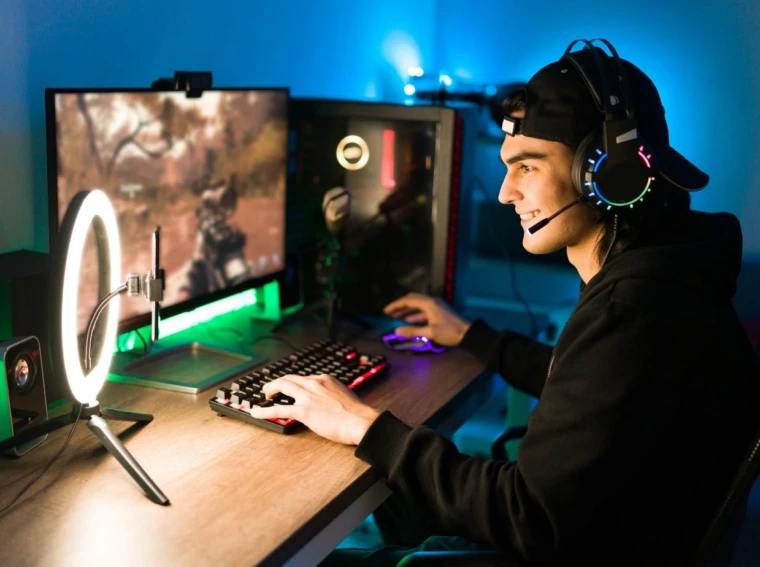
For many Counter-Strike players, customization is part of the overall gaming experience. Beyond tactics and aim, players enjoy shaping how their weapons and equipment look during matches. Tools such as casehug skin changer allow players to experiment with different visual styles, explore new combinations of skins, and adjust the appearance of their inventory without constantly switching items.
While skins do not change gameplay mechanics, they have become an important way for players to express personality and create a recognizable look inside the game.

Why Skin Customization Became So Popular
Over the years, Counter-Strike has developed one of the most recognizable cosmetic systems in gaming. Skins allow players to personalize weapons while maintaining the same gameplay mechanics.
This balance between competitive integrity and visual customization is one of the reasons skins became so popular. Players can express individuality without changing the core mechanics that make the game fair for everyone.
For many players, experimenting with different visual styles is almost as engaging as the matches themselves.
Creating a Consistent Inventory Style
When players customize their inventory, they often try to create a cohesive look across all weapons. Instead of selecting random skins, they build combinations that follow a certain theme or aesthetic.
Some players prefer bright and colorful skins that stand out during gameplay. Others choose darker or minimalist designs that maintain a more subtle visual appearance.
Common customization approaches include:
- building inventories around a specific color palette
- matching skins across rifles, pistols, and knives
- selecting designs that fit a particular visual theme
This process turns inventory management into a creative activity where players experiment with different visual combinations.
Customizing Weapons for Different Roles
Another way players approach skin customization is by aligning skins with their preferred role in the game. Since different players rely on different weapons, customization often reflects those habits.
For example, players who frequently use sniper rifles may focus heavily on customizing their main weapon. Rifle players might prioritize skins for weapons like the AK-47 or M4 variants, while others may build themed pistol collections.
This approach allows players to highlight the weapons they use most during matches.
Visual Identity in Competitive Matches
Although skins do not influence gameplay performance, they still contribute to a player’s visual identity in matches. Over time, certain skins become associated with specific players simply because they use them consistently.
This effect is especially visible in esports broadcasts, where viewers often recognize players by the skins they use during important moments.
Even in casual play, having a recognizable inventory can make gameplay feel more personal.
Experimenting With Different Skin Styles
Part of the appeal of skin customization lies in experimentation. Players often change skins to see how different designs look in various maps, lighting conditions, and gameplay situations.
Some skins appear brighter under certain lighting conditions, while others blend more naturally with the environment. Because of this, players sometimes rotate skins in their inventory until they find combinations that feel visually satisfying.
This experimentation is one reason the skin ecosystem continues to attract attention long after players have mastered the gameplay mechanics.
Why Cosmetic Customization Remains Important
The success of Counter-Strike’s cosmetic system comes from its simplicity. Skins do not change how the game works, but they allow players to express creativity and individuality.
As the Counter-Strike community continues to evolve, visual customization remains one of the most accessible ways for players to shape their experience in the game—turning every match into an opportunity to showcase their unique inventory style.