

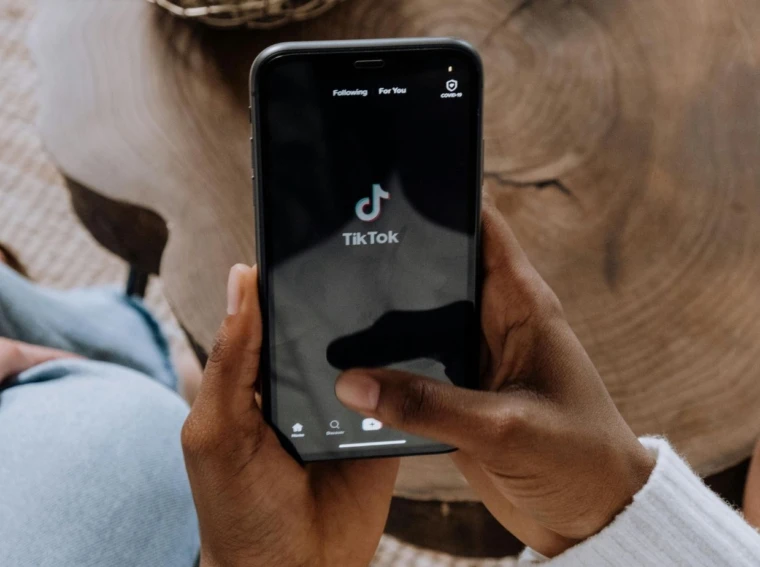
When I look at new TikTok accounts that grow well, I usually see a calm start instead of a busy one. The creator picks a topic range, posts often enough to learn, and gives viewers a page that makes sense after a quick profile visit. TikTok’s own guidance points creators toward the same basics: get to know the audience, engage through comments and LIVE, and review analytics to understand top posts and audience engagement.
I think beginners lose time when they treat every weak post like a crisis. A new account needs enough repetition to show patterns. TikTok also gives creators tools that make this easier to do with less guesswork, including Creator Search Insights, which surfaces topics people are searching for and highlights content gaps that may need more videos.
Pick a clear direction before worrying about fast growth
When I help a beginner think about growth, I start with clarity. A page gets stronger when the bio, pinned videos, and recent posts point in the same direction. Tools to grow TikTok audience is one example of how growth platforms frame this idea from the targeting side, with High Social focusing its TikTok offer on organic growth, AI targeted reach, and real followers. That lines up with a basic truth for beginners: the right audience matters more than broad attention that never turns into comments, profile visits, or follows.
I would rather see a new creator post twenty videos around two or three connected themes than bounce between skincare, travel, memes, and study tips in the same week. A narrower lane helps people understand why they should follow. It also gives the algorithm cleaner signals, because TikTok’s recommendation systems respond to user interactions and use information including location and language when shaping early feed experiences.
Build a routine that can survive a normal week
A lot of beginner advice sounds ambitious for three days and exhausting by the second week. I think a better plan is a schedule that still looks realistic when work gets busy or ideas come slowly. TikTok keeps urging creators to post regularly, and that advice makes sense because a thin posting rhythm gives both the audience and the platform less to learn from.
For a new creator, consistency often beats volume. I would rather post three solid videos each week for a month than flood the account for four days and disappear after that. Repeating a format also helps me tell what actually worked. When every post has a different structure, hook, and topic, it becomes hard to read the results with any confidence. Creator Search Insights can support this process because it lets creators explore popular topics, related searches, and search performance over time.

I also think beginners should keep the production light at first. Clean framing, readable captions, and a clear opening matter more than trying to build a miniature film set for every upload. The early stage is for learning what the audience responds to, not for turning each post into a huge project. TikTok Studio is built around creating, managing, and analyzing performance in one place, which fits that practical approach.
Use signals from viewers before changing your whole strategy
The easiest way to create extra chaos is to rebuild the page after every disappointing video. I try to look for patterns instead. TikTok recommends reviewing analytics and engaging through comments and LIVE, and it also offers comment insights that summarize and filter comments into categories. That gives beginners more useful information than raw view counts alone.
A simple checklist can keep those signals useful:
- I would track which topics bring profile visits, follows, saves, and repeat questions.
- I would turn strong comments into follow up videos instead of chasing a brand new idea every day.
- I would keep two or three content pillars running long enough to compare results honestly.
- I would check Creator Search Insights for content gaps before assuming I have run out of ideas.
- I would use pinned posts to explain what the account is about and what a new follower can expect. TikTok links profile setup and creator growth resources together because that first impression matters.
- I would keep the first seconds of each video clear enough that the intended viewer knows the topic right away. TikTok’s recommendation system relies heavily on user response signals, so stronger early relevance can help content find better audience fit.
Learn audience fit early and stop trying to talk to everyone
One thing I keep coming back to is audience fit. A new creator usually grows faster when the videos feel meant for a particular group. Creator Search Insights helps with this by showing what people search for on TikTok and where content gaps exist. That can help a beginner choose topics with real demand instead of posting from instinct alone every time.
I also find it useful to study how other writers describe growth tools and approaches. In this tiktok overview, author describes High Social’s TikTok growth approach around AI based audience targeting and a safer, scalable path to growth. I would treat that as outside context rather than a promise, though it still fits the larger lesson beginners need to hear early: reaching a better matched audience usually helps more than adding noise to the account.
New creators do not need a complicated growth system to begin well. I would start with a clear topic range, a manageable routine, and a habit of reading audience signals before making big changes. That gives the account room to become recognizable, and recognizability matters a lot on TikTok.
If I were starting a fresh account in 2026, I would aim for steady learning over constant motion. The accounts that keep improving usually look focused, understandable, and repeatable. That kind of growth may feel slower in the first week, though it often builds a stronger foundation for follower growth over the next few months.