

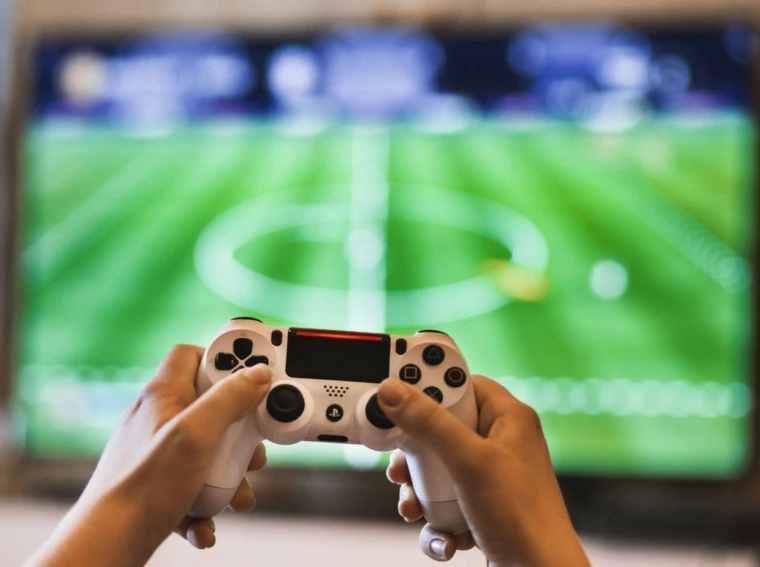
Online games are usually associated with entertainment, competition, and relaxation. However, they can also involve a wide range of mental skills. Players often need to remember information, react to changing situations, communicate with others, solve problems, and manage emotions.
This does not mean that every game is beneficial or that playing for many hours automatically improves the brain. Excessive gaming can affect sleep, productivity, relationships, and physical activity. But when online games are chosen carefully and played in moderation, they can become a useful form of mental stimulation and emotional recovery.
Online Games Train Attention and Concentration
Many online games require players to remain focused for extended periods. A player may need to follow several events at once, notice small changes, remember objectives, and respond quickly.
For example, strategy games require attention to resources, opponents, and long-term goals. Action games often demand rapid reactions and awareness of the surrounding environment. Card games require players to track previous moves and evaluate possible outcomes.
These activities may help players practice:
The benefit comes from active participation. Unlike watching a film or scrolling through social media, gaming usually requires constant decisions. The player is not simply observing events but influencing what happens next.
Gaming Encourages Problem-Solving
Most games are built around challenges. Players are given a goal, a set of rules, and limited resources. To succeed, they must identify patterns, test different approaches, and learn from failure.
This process can support logical thinking and mental flexibility. A strategy that works in one situation may fail in another, forcing the player to adapt. Games often reward experimentation and encourage players to continue after mistakes.
This can be especially useful because failure in a game is usually temporary. Losing a match or making the wrong decision does not end the entire experience. Players can review what happened, adjust their approach, and try again.
Over time, this may help develop a more practical attitude toward problems. Instead of seeing failure as a final result, players may begin to treat it as information.
Games Can Help Reduce Stress
For many people, gaming is a way to disconnect from everyday responsibilities for a short period. A game provides a clear objective and a structured environment, which can make it easier to stop thinking about work, deadlines, or personal worries.
This kind of mental break can support emotional recovery. When a person becomes fully involved in a game, attention shifts away from repetitive thoughts and toward the current task.
Games can also create a sense of progress. Completing a mission, solving a puzzle, or improving a personal result can provide satisfaction and motivation. These small achievements may be especially valuable after a stressful day, when larger tasks feel difficult or overwhelming.
However, gaming works best as one part of a healthy routine. It should not become the only method a person uses to manage stress or avoid difficult emotions.
Multiplayer Games Can Create Social Connection
Online games are not always solitary activities. Multiplayer games allow people to communicate, cooperate, and compete with others from different cities and countries.
For some players, online gaming provides an easier way to socialize. Communication is often connected to a shared task, which can reduce the pressure of starting or maintaining a conversation.
Team-based games can help players practice:
Gaming can also help friends stay connected when they live far apart. A regular online session can become a social routine, similar to meeting for coffee or watching a film together.
At the same time, online communities vary in quality. Toxic communication, harassment, and aggressive behavior can negatively affect mental well-being. Players should use privacy settings, moderation tools, and community filters when necessary.
Different Games Develop Different Mental Skills
The potential benefits of gaming depend on the genre. Different games place different demands on the brain.
Poker is a particularly interesting example because players must make decisions without knowing all the available information. They need to consider probabilities, previous actions, opponent behavior, and potential risk.
It can also teach an important distinction between a good decision and a good result. A player may make a mathematically reasonable decision and still lose because of chance. This encourages long-term thinking and helps players evaluate the quality of their choices rather than focusing only on immediate outcomes.
However, poker or other igaming platforms involving real money is a form of gambling. It carries financial and psychological risks. Its strategic aspects are safer to explore in free-play games, educational formats, or environments with strict spending and time limits.
Gaming Can Support Emotional Control
Games often create strong emotions. Players may feel excitement, disappointment, frustration, or pressure. Learning to continue making reasonable decisions during these moments can develop emotional awareness.
Competitive games, in particular, require players to manage reactions after losing. Acting impulsively usually makes performance worse, while calm analysis leads to better decisions.
This does not mean that games automatically improve emotional control. Some players become more irritated or anxious while playing. The effect depends on the person, the game, and the environment.
A useful question is how someone feels after a gaming session. If they usually feel relaxed, connected, or mentally refreshed, gaming may be serving a positive role. If they regularly feel angry, exhausted, or unable to stop, their habits may need to change.
Healthy Gaming Requires Balance
The positive effects of gaming depend on moderation. Even mentally challenging games can become harmful when they replace sleep, movement, work, or social relationships.
Healthy gaming habits include:
Gaming should add value to daily life, not control it.
Conclusion
Online games can provide more than entertainment. They can challenge attention, memory, problem-solving, communication, and emotional control. They may also offer relaxation, social connection, and a temporary break from daily stress.
The key factor is not simply whether a person plays games, but how they play. A balanced approach allows people to enjoy the cognitive and emotional benefits while reducing the risks associated with excessive use.
When online games are played consciously and responsibly, they can become a meaningful form of active leisure that keeps the brain engaged and supports mental well-being.