

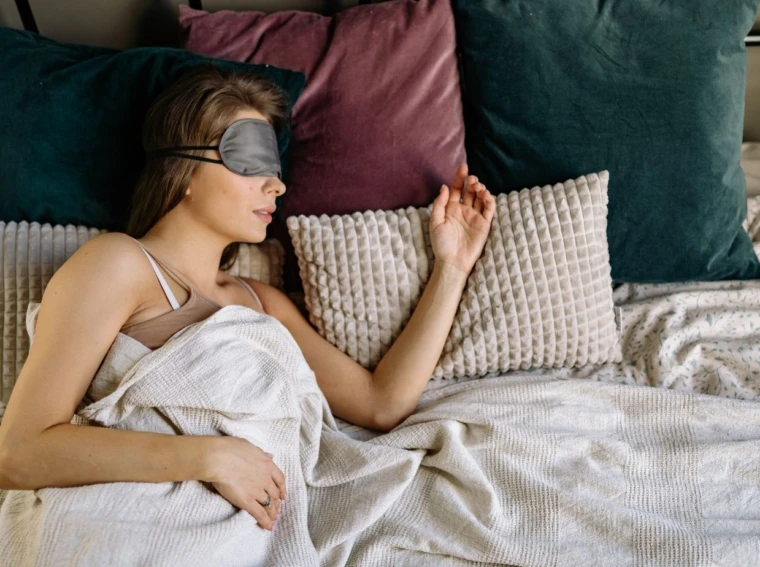
Ask any serious gamer about their sleep schedule and you will probably hear a familiar story: late sessions that stretch past midnight, the difficulty of winding down after an intense ranked match, and lying in bed while the mind keeps replaying the last few hours of gameplay. Getting to sleep is one thing. Getting quality sleep is another.
This is not a small issue. Sleep affects everything that matters in gaming, including reaction time, focus, decision-making, and the ability to learn and adapt during sessions. Yet for a long time, the conversation around gaming performance stayed focused on hardware, settings, and practice hours. Recovery barely came up.
That is starting to change. More players are paying attention to what happens off-screen, especially when high-stimulation evenings make it harder to relax. CBD sleep products have become part of that conversation, and Joy Organics CBD sleep gummies appeal to adults looking for a natural way to ease into rest after long gaming sessions without the grogginess often associated with conventional sleep aids.
Why Gamers Struggle to Sleep in the First Place
Gaming is cognitively demanding in ways that make winding down genuinely difficult. Competitive play in particular keeps the nervous system in a heightened state. Cortisol and adrenaline stay elevated during intense sessions. The brain is processing fast-moving visual information, making rapid decisions, and staying locked in for extended periods.
Blue light from screens also plays a direct role. Exposure to blue light in the hours before bed suppresses melatonin production, the hormone that signals the body to prepare for sleep. The result is a delayed sleep onset even when a player feels physically tired. They are ready to stop playing but not biologically ready to sleep.
Irregular sleep timing compounds the issue further. Many players go to bed at different times depending on session length, which disrupts the circadian rhythm over time. That inconsistency affects not just how quickly sleep arrives but how restorative it actually is.
What CBD Actually Does
CBD, short for cannabidiol, is a non-psychoactive compound derived from hemp. It does not produce a high. What research suggests it does is interact with the body’s endocannabinoid system, a regulatory network involved in managing stress responses, mood, and sleep-wake cycles.
A 2019 study published in The Permanente Journal found that CBD use was associated with improved sleep scores in the majority of participants within the first month, alongside reductions in anxiety. The researchers noted that CBD appeared to support a calmer physiological state, which is precisely what gamers need after a stimulating evening session.
CBD does not knock you out. It does not work like a sedative. What it tends to do is reduce the mental restlessness and elevated stress response that keep people awake after high-intensity activity. For gamers, that means the gap between finishing a session and actually falling asleep can narrow meaningfully.
CBD Sleep Products and What to Look For
Not all CBD products are the same. For sleep specifically, many players are drawn to gummy formats because they are easy to incorporate into a nightly wind-down routine and combine CBD with melatonin for a more complete approach to sleep onset support.
Joy Organics produces CBD sleep gummies using broad spectrum hemp extract alongside melatonin, formulated for people who want to support natural sleep without waking up feeling slow the next morning. The broad spectrum format means it retains beneficial plant compounds without THC, which matters for players who are subject to drug testing or simply want to avoid any psychoactive effects.
When evaluating any CBD product, look for third-party lab testing, clear cannabinoid content labeling, and a certificate of analysis that confirms what is actually in the product. Transparency around sourcing and manufacturing standards matters, especially as the CBD market continues to grow.
Building a Post-Session Wind-Down Routine
CBD works best as part of a broader approach to sleep hygiene rather than as a standalone fix. For gamers, a consistent wind-down routine after sessions makes a measurable difference in how quickly and deeply sleep arrives.
Ending sessions at a consistent time, even on weekends, helps stabilize the circadian rhythm. Dimming room lighting and switching to night mode on screens in the final hour reduces blue light exposure. Stepping away from competitive or high-stress content and moving toward something calmer, whether that is a slower game genre, music, or light reading, helps the nervous system begin to deactivate.
Taking a CBD sleep gummy 30 to 45 minutes before the intended sleep time aligns with the window when melatonin naturally begins to rise in the body. Pairing that with a cooler room temperature and limiting late caffeine intake creates conditions where sleep quality actually improves rather than just sleep duration.
The Performance Case for Taking Sleep Seriously
Esports organizations at the professional level have begun treating sleep as a core part of player performance management. Cognitive function, reflex speed, and in-game decision-making all degrade meaningfully under sleep deprivation. Studies on reaction time consistently show that even moderate sleep restriction produces impairments comparable to mild intoxication.
For everyday players, the same principles apply at a smaller scale. The sessions where everything clicks, where aim feels sharp and decisions come quickly, are almost always the sessions that follow good rest. The ones that feel off, where mistakes compound and frustration builds easily, often trace back to poor sleep the night before.
Gaming performance is built on consistency. Sleep is one of the few variables that sits underneath every other performance factor. Getting that piece right does not require an elaborate system. It requires treating rest as something worth investing in, the same way a player invests in a quality headset or a high-refresh monitor.
Final Thoughts
CBD is not a magic solution. But for gamers dealing with a genuinely common problem, the difficulty of winding down after stimulating late-night sessions, it represents a practical and low-risk addition to a recovery routine.
The growing interest in wellness among gaming communities reflects something real: players are starting to understand that performance off-screen shapes performance on it. Sleep sits at the center of that. And finding tools that help make quality rest more accessible is worth paying attention to.