

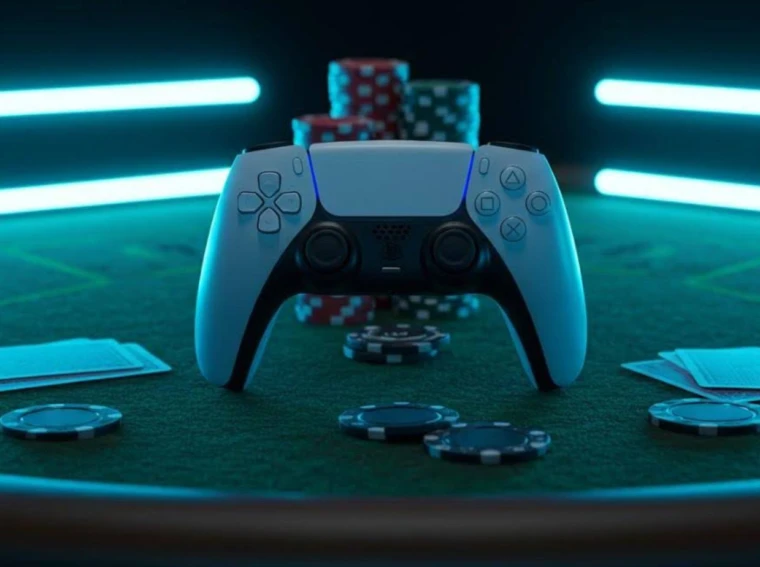
For decades, video games and casinos were seen as two very different worlds. One was about fantasy adventures, quests, and boss fights, while the other centered on chance, cards, and chips. Yet over time, the line between these forms of entertainment has blurred. Video games today carry many mechanics inspired directly by casinos, sometimes so subtly that players barely notice.
This shift didn’t happen overnight. As the gaming industry matured, developers began searching for ways to keep audiences engaged beyond traditional gameplay. Randomized rewards, progression systems, and flashy feedback loops all became staples of modern titles. Interestingly, many of these ideas were not born in the world of gaming at all, but were long-standing features of casinos.
What makes this crossover fascinating is how naturally it fits into the gaming landscape. Opening a loot box in a role-playing game feels different from pulling a lever on a slot machine, yet the underlying principle is nearly identical: anticipation, uncertainty, and the rush of a possible reward. Both industries know that these elements spark excitement and drive people to return.
This crossover isn’t accidental. Developers borrow certain systems because they understand what keeps players coming back. In many ways, the casino industry set the blueprint for engagement — and video games have adapted those strategies to their own universe, reshaping how we think about play itself.
Loot Boxes and the Casino Spin
One of the clearest bridges between casinos and video games is the loot box. These digital crates offer random rewards when opened, echoing the suspense of a slot machine. The draw isn’t just the prize itself, but the thrill of not knowing what comes next.
The similarity to casino play has caught the attention of lawmakers. In countries like Belgium and the Netherlands, certain loot box systems were banned because they resembled gambling mechanics too closely. Paying real money for an uncertain reward is the same principle that fuels slot reels or card draws.
Casinos have been refining this type of mechanic for decades. Bonus rounds, free spins, and jackpot wheels are all built on the psychology of chance and anticipation. Video game developers simply found a way to package that same excitement into virtual chests and reward packs. This overlap shows how tightly connected the two industries have become — one laying the groundwork, the other adapting it to a new audience.
A closer look at Millioner Casino analysis shows how these mechanics operate in practice, giving clear context to the systems that video games later adapted. Operated by Sligo Limited and secured under the trusted NELO license, the platform reflects how traditional casino structures have been carried into the digital era. In many ways, the loot box is just a modern echo of age-old casino design.
Daily Rewards and Return Incentives
Casinos have long used reward calendars to keep players returning. Daily spins, point multipliers, or time-limited offers create habits. Video games adopted the same idea with daily log-in bonuses. Whether it’s a handful of virtual currency, an exclusive skin, or double XP, the design pushes users to return consistently.
Mobile games in particular build around this loop. The idea isn’t only about giving something away, but about creating a sense of loss if the player doesn’t return. Missing a day can mean missing a rare prize — a subtle nudge borrowed straight from casino loyalty programs.

Statistics back up how powerful this can be:
- Research by App Annie showed that apps with daily rewards saw 60% higher retention than those without.
- Casino loyalty programs report similar figures, with return rates far exceeding businesses in other industries.
The shared strategy here is consistency. Both industries rely on frequent, small interactions that add up to long-term loyalty.
Flashy Visuals and Sound Design
Casinos know that sound and light can change behavior. The chiming of coins, flashing reels, and celebratory animations create a sensory rush. Video games have adopted this approach, turning small wins into major moments with bright effects and dramatic soundscapes.
Think about the glow and fireworks when leveling up in a role-playing game, or the roar of a crowd after scoring in a sports title. These effects serve a deeper purpose: they reinforce success. Players link positive feelings with in-game actions, motivating them to continue.
As consoles grew more powerful, the ability to layer in detailed visuals and complex soundtracks only expanded. A timeline of video game console generations shows how each era introduced richer graphics and sharper effects, making it easier for developers to build sensory rewards that feel larger than life.
Developers invest heavily in this area because subtle cues can extend play sessions. A 2019 study in Nature Human Behaviour noted that players given more vivid feedback stayed engaged nearly 30% longer than those with muted cues.
In both casinos and video games, the mechanics of winning are designed to feel extraordinary, even if the prize itself is small.
Progress Systems and Prestige
Casinos were early adopters of tiered systems, where moving up levels brings perks: better rooms, higher cashbacks, or exclusive events. Video games echo this with ranking ladders, prestige systems, and battle passes.
Players don’t just play for rewards — they play for recognition. A badge, rank, or exclusive cosmetic item represents status, just as VIP cards do in a casino. The human need for achievement makes these systems highly effective.
Examples include:
- Call of Duty’s prestige levels, allowing players to reset and climb again for bragging rights.
- Seasonal battle passes in Fortnite or Apex Legends, where each tier feels like a step toward exclusivity.
The parallels are unmistakable. Both industries understand that progress isn’t only about what you win, but how you compare to others.
The Social Factor: Multiplayer Meets the Casino Floor
Casinos thrive on atmosphere. The laughter, cheers, and chatter around a roulette wheel create an energy that keeps people involved. Online multiplayer games have translated this through guilds, clans, and chat systems. The sense of community often matters as much as the game itself.
Live casino tables now combine both: players can chat with a dealer and other participants, while at the same time playing competitively. Meanwhile, esports titles build arenas packed with viewers, echoing the communal rush of high-stakes casino tournaments.
- A 2022 Newzoo report found that over 80% of consumers play video games for social interaction as a core reason they keep playing.
- According to Statista, the global esports audience reached 532 million people in 2022, showing how competition and shared experience have become mainstream entertainment.
- Online casinos report similar trends, with live dealer tables attracting 40% more repeat visits compared to automated digital games.
Humans are wired for social play. Whether it’s sharing a digital victory in Fortnite or watching a poker hand unfold, the collective experience amplifies the thrill.
Last Words
The overlap between video games and casinos is no coincidence. Both industries draw on psychology, design, and reward structures to capture attention. From loot boxes to social interaction, the similarities show just how closely the two worlds are connected.
This crossover isn’t one-sided. Casinos pioneered chance-based rewards and loyalty systems, while video games influenced how online casinos present themes and interactive features. It’s a two-way exchange that continues to shape modern entertainment.
So the next time you open a loot box, claim a daily bonus, or rise up a rank, you might just be experiencing a piece of casino history in disguise — proof that chance and reward speak the same language across every kind of play.