

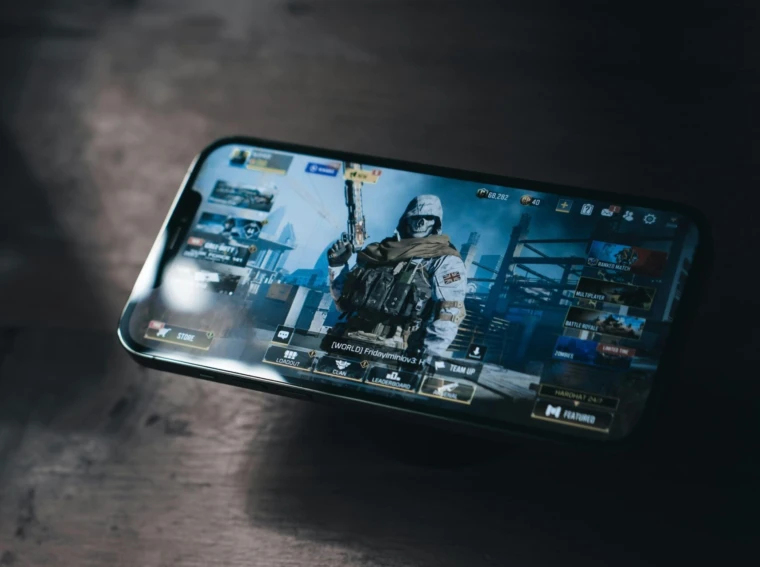
Gaming sessions look very different now. Browser tabs stay open all evening beside hockey streams, Discord chats, and YouTube clips because quick entertainment fits modern routines far better than giant installs do.
Steam libraries are full of games people swear they’ll get around to eventually. Then a work call runs late, somebody sends a YouTube link into the group chat, the hockey starts in twenty minutes, and suddenly an easy browser game sounds a lot more appealing than downloading a 90GB update first.
That convenience sits right at the centre of modern gaming now, especially in Canada, where phones and lightweight browser sessions increasingly fill the gaps between everything else happening online.
Convenience Won the Attention War
Modern games ask a lot from players now. Huge downloads, launcher updates, storage problems; even older sports games can chew through hardware faster than people remember. Madden still asks for 50GB of storage space on PC, which says plenty about where gaming drifted during the last decade.
Browser games moved in the opposite direction. Open a tab, click once, and the game starts immediately. Canadian players spend enough time bouncing between YouTube clips, Discord chats, sports scores, and social feeds already. Lightweight browser gaming fits naturally into that routine because nobody needs to plan their evening around it.
Phones pushed that habit even further. More gaming now happens in short bursts during lunch breaks, between hockey periods, or while waiting for dinner to finish cooking. Browser-based games work well in that environment because they remove almost every barrier between boredom and entertainment.
Free-Play Systems Borrowed From Mobile Gaming
Modern browser games learned from mobile gaming because reward systems keep people engaged far longer than complicated mechanics do. Daily bonuses pop up constantly now. Progress bars keep moving. Flashy animations celebrate tiny wins. Short sessions turn into another twenty minutes before anybody notices.
Around 60% of Canadians now participate in some form of gambling activity, with people aged 35-54 driving the bulk of the online participation growth. That growing comfort with digital gambling pushed browser-based casino gaming into the same entertainment lane occupied by casual mobile games and quick-play browser titles.
Browser-based casino gaming now competes heavily on speed, mobile usability, fast-loading games, and the ability to jump straight into live tables without wasting half the evening on setup screens first. Casino.ca ranks the best online casinos Canada players can access by comparing factors like RTP percentages, expected payout times, bonus offers, mobile performance, and overall game library size. Modern players increasingly expect the same convenience and smooth experience they already get from casual browser and mobile games.
Presentation Became Part of the Hook
Older browser games looked rough because developers focused almost entirely on functionality. Modern browser games spend much more effort building atmosphere around the player. Animated menus, themed environments, lighting effects, and reward screens all help hold attention longer once somebody opens the game.
That same attention to presentation shows up across wider gaming culture too. Tabletop hobby spaces now spend serious effort building immersive scenery and detailed environments because visual atmosphere improves the overall experience. Browser gaming borrowed many of those same ideas once competition for player attention became much tougher.
Short-session gaming changed the way developers think about presentation. A game has maybe thirty seconds to grab attention before somebody tabs away toward Reddit, YouTube, or a hockey stream. Visual feedback carries far more weight in that environment.
Ontario’s Market Growth Mirrors Modern Gaming Habits
Ontario’s regulated online gambling market generated CA$3.20 billion in revenue during the 2024–25 financial year, with online casino gaming producing most of that activity. Those numbers say plenty about where digital entertainment habits moved in Canada after regulated online gambling became mainstream.
A lot of that growth lines up closely with broader gaming behaviour. People already expect entertainment to work instantly across phones, tablets, and browser tabs without friction getting in the way. Browser-based casino games fit neatly into those habits because they operate almost exactly like modern casual gaming platforms.
Ontario also proved that players increasingly treat online casino gaming as part of wider digital entertainment rather than a separate niche sitting outside gaming culture entirely. The overlap becomes obvious once you look at modern browser habits. Somebody checking NHL scores during intermission can jump into a browser-based blackjack table almost as easily as opening another YouTube tab.
Gaming Sessions Look Different Now
Gaming used to demand your full attention for the entire evening. That rhythm disappeared once phones, streaming platforms, second-screen browsing, and browser-based entertainment all started competing for the same chunk of free time. People still play games constantly; they just move between several smaller experiences during the same night now.
Browser gaming adapted well because it stopped fighting against modern attention habits. Quick access carries more value than technical horsepower for plenty of players, particularly once work, sport, streaming, and social feeds already occupy half the screen space in front of them.