

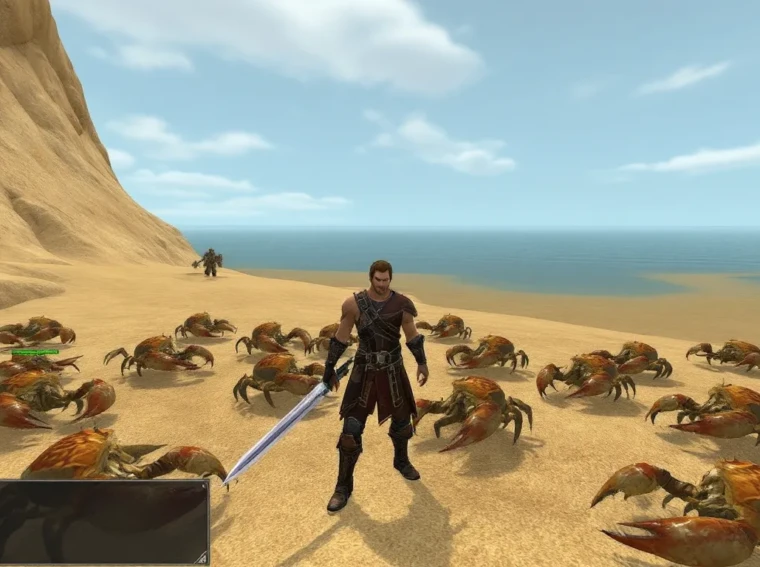
Whether you’re a fresh account grinding your first million GP or a veteran looking to AFK train combat stats, crabs in OSRS remain one of the most reliable grinding destinations in the game. Sand crabs and other crab locations have been the backbone of countless accounts for years, and for good reason. They offer consistent experience rates, manageable resource requirements, and the flexibility to train while barely touching your keyboard. This guide covers everything you need to know about crab grinding in 2026, from reaching the best spawn locations to maximizing your hourly gains.
Key Takeaways
- Crabs OSRS grinding provides reliable experience rates and modest profit for players across all levels, making it an essential early-game training method that requires minimal gear and preparation.
- Sand crabs on Fossil Island and Zeah offer different accessibility levels—Zeah is beginner-friendly with easier access, while Fossil Island provides better spawn density once you can navigate there.
- Optimal crab grinding involves checking in every 10-15 minutes, using appropriate attack styles (Aggressive for Strength, Accurate for Attack), and managing food efficiently to maintain kill speed and loot collection.
- Experience rates scale significantly with your combat stats, ranging from 20-35k/hour at levels 1-40 up to 70k+/hour at level 80+, with longswords and scimitars offering the best damage output for AFK training.
- Transition away from crabs when you reach 60+ Attack and Strength, as Slayer becomes substantially more efficient and profitable, while crab grinding becomes increasingly suboptimal beyond level 80.
- Avoid common mistakes like using wrong attack styles, overstaying without banking, and ignoring spawn timers—intentional resource management and regular activity checks are essential for maximizing both experience and profit.
Understanding Crabs As A Grinding Destination
Crabs occupy a unique spot in OSRS progression. They sit at the intersection of accessibility and efficiency, you don’t need high-level gear or extensive preparation, yet you can still pull solid experience rates and loot. The core appeal is straightforward: enemies with low defense, predictable AI, and high availability. Whether you’re training Attack, Strength, or Defense, crabs scale reasonably well across different combat styles.
The reason crabs became a meta grinding spot is simple math. Most crab locations feature spawns that don’t move far, which means less running and more fighting. They also hit relatively softly, so you’re not chugging supplies constantly. For accounts that don’t have access to better training methods (like slayer or the Nightmare Zone), crabs remain a solid middle ground between free-to-play alternatives and late-game bossing content.
The flexibility crabs offer is their real strength. You can approach them as an active, profit-focused grind or an afk training session while you’re doing something else entirely. That dual-purpose nature is why you’ll see everything from fresh accounts to maxed-out players using crab spots for various reasons.
What Makes Crabs Essential For OSRS Players
Crabs provide a critical bridge in early-game progression that many players underestimate. Getting your melee stats to a respectable level, say 40 Attack and 40 Strength, opens up dramatically better training options, better gear accessibility, and the ability to PvM effectively. Without something like crabs, that early grind becomes tedious and expensive.
From a pure economics standpoint, crabs are also one of the few activities where newer players can actually make money while training. Depending on the location, you’ll collect shells, meat, or other drops that convert into GP. It’s not flashy wealth, but it beats the alternative of paying for every single combat training session.
Fossil Island Crabs vs. Ammonite Crabs: Key Differences
Fossil Island crabs are the standard sand crabs you’ve likely heard about. They’re found at various spots around Fossil Island and offer consistent experience and drops. The main advantages here are accessibility (once you can reach the island) and a relatively stable spawning pattern. They hit in the 1-4 damage range and typically have around 10 HP.
Ammonite crabs, located in the Fossil Island mine, are a bit trickier to reach but offer slightly better experience rates and different drop tables. They’re a step up in difficulty compared to sand crabs, which makes them less ideal for brand-new accounts but more valuable for players in the 30-50 combat stat range.
The key difference comes down to location accessibility and your current stat spread. If you’re completely new and can navigate to standard crab spawns, sand crabs are your target. If you have a bit more progress and want to squeeze out better rates, Ammonite crabs justify the extra travel.
Preparation & Requirements Before Heading To Crabs
You don’t need much to start crab grinding, but having the essentials makes the difference between a smooth session and a frustrating one. Let’s break down what you actually need versus what’s optional.
Combat Stats & Equipment Recommendations
Minimum viable stats to grind crabs effectively are around 10 Attack and 10 Defense, though you’ll see better results at 20+ in both. There’s no upper limit, you can grind at crabs even with 99s, though the efficiency curves change depending on your goals.
For equipment, start simple:
- Sword or dagger (anything from bronze to steel works fine early on: Longsword or Scimitar are solid baseline choices)
- Leather or bronze armor (doesn’t need to be pristine: you just need the armor class)
- Shield (optional for defense training, mandatory if you want to minimize damage)
- Food (lobsters, salmon, or even trout if you’re super early game)
Once you hit 40+ Attack and Defense, consider upgrading to Iron longsword or Mithril scimitar. By 60+ stats, Dragon longsword or Abyssal whip makes grinding significantly faster.
Armor scaling matters less at crabs than it would at bosses, since the damage you take is minimal anyway. Don’t overthink it, focus on offensive stats if you’re training Attack/Strength, and only worry about defense gear if you’re exclusively doing Defense training.
Essential Items & Supplies
You need food, full stop. The amount depends on your defense level and prayer, but assume you’ll need a decent supply. Antipoison is optional unless you’re at Ammonite crabs specifically (they occasionally poison). Stamina potions aren’t necessary but help if you’re covering larger distances between the bank and the grind spot.
For an AFK session, bring enough food for 10-15 minutes of combat. You’ll take minimal damage, so lobsters (if you can cook them) are more than sufficient. If you’re actively fighting for maximum DPS, quality of food doesn’t matter as much: you’re taking so little damage that even trout works.
Navigation Guide: Reaching Popular Crab Locations
Getting to the crabs is often the most confusing part for new players. The locations aren’t always on the beaten path, and access requirements vary.
Fossil Island Crab Spawns
Fossil Island is home to multiple sand crab locations, and reaching it requires a bit of planning. To access Fossil Island, you need either the Fossil Island Harpoon (found on-island), a fossil wyvern teleport, or the long way: take the boat from Cairn Isle south of Port Sarim.
Once on Fossil Island, popular sand crab spawns are scattered across the southern half of the island. The most popular spot is near the eastern shore, just look for the concentration of crabs clustered together. This spot has solid spawning density and is relatively safe from PvP interference.
Another key location is near the Wyvern dungeon on Fossil Island’s eastern side. This area is slightly more isolated, which some players prefer for avoiding crowds. Access here requires you to navigate past other hazards on the island, so it’s less beginner-friendly.
Zeah Crab Locations
Zeah offers alternative crab spawns, particularly around the sandy shores near the Fishing Guild and the southern docks. These locations are accessible much earlier in your account progression since Zeah itself has minimal requirements to visit.
The sand crab location near Zeah’s fishing docks is popular for its compact spawn area. You can bank nearby, making it solid for active grinding rather than pure AFK. But, this spot can get crowded during peak hours, so expect some competition for spawns during prime time gaming.
For most players, especially newer ones, how to get to sand crabs osrs via Zeah is simpler than Fossil Island. The tradeoff is slightly lower spawn density and more foot traffic. Once you unlock better teleportation methods, Fossil Island becomes the efficiency choice.
Money-Making Strategies At Crabs
Crabs aren’t primarily a money-making activity, but the drops add up over time. With proper management, you can turn a grind into a modest profit.
Efficient Loot Collection & Resource Farming
Most crabs drop shells, meat, or bones depending on the specific location. Shells have the highest value but the lowest drop rate. Crab meat is more frequent but lower GP per unit. The key to profitability is knowing which loot to prioritize.
At sand crabs, collect shells when you see them, they’re valuable enough to justify bank trips. Bones and meat are essentially filler loot unless you’re doing the grind purely for profit (in which case, skip food rotation and grind slower for more consistent loot cycles).
At Ammonite crabs, the ammonite shell drops are your money-maker. These are rarer and worth checking the market price on before grinding extensively. If shells are crashing, you might want to shift to a different training method.
Pro tip: Learn your world’s drop table before committing hours. Different crab variants drop differently, and knowing the expected gold per kill helps you decide whether this grind is worth your time versus alternatives.
Maximizing GP Per Hour
The math on crab profits is simple: (average kill value × kills per hour) = GP/hour. Most players see 30-60k GP per hour depending on their stats, the crab type, and whether they’re actively banking loot.
To maximize this, focus on:
- High kill speed: Better offensive stats and equipment directly increase your DPS
- Frequent banking: Don’t let your inventory fill and waste time standing around
- Minimizing downtime: Every second you’re not attacking is a second you’re not making GP
Honestly, at very early game levels, the profit from crabs is almost secondary to the training value. It’s not like you’re grinding crabs to fund an Infernal Cape grind, you’re training because you need better stats. The GP is a nice bonus, not the main event.
Combat Training Optimization At Crab Locations
The real reason people grind crabs is experience rates. When optimized properly, crabs provide some of the best early-to-mid game combat training available.
AFK Training Methods & Experience Rates
This is where crabs shine. Drop your combat options to an attack style (like “aggressive” for Strength training or “accurate” for Attack training), position yourself correctly, and log off mentally for 10-15 minutes. The crabs will patiently whittle down your opponent until either you run out of food or the spawn resets.
Experience rates vary with your level, but expect roughly:
- Levels 1-40: 20-35k experience per hour (AFK)
- Levels 40-60: 35-50k experience per hour
- Levels 60-80: 50-70k experience per hour
- Levels 80+: 70k+ per hour (depending on stats and gear)
These numbers assume you’re checking in regularly (every 10-15 minutes) to reposition and manage food. True AFK where you ignore the screen for hours will tank your rates due to spawn movement and combat downtime.
The attack speed of your weapon affects experience rate directly. Longswords (speed 4) deal more damage per second than daggers (speed 3) once you factor in accuracy, making them the default choice for AFK training. Scimitars (speed 4) are also solid.
Minimizing Deaths & Protecting Your Loot
Death at crabs is rare but possible, usually from distraction or logging off mid-session. To avoid it:
- Check regularly: Every 10-15 minutes, verify you’re still in combat. If the screen grayed out, the spawn moved
- Manage your food carefully: Don’t let yourself dip below 10 HP with minimal food left
- Use allies wisely: If someone else is grinding nearby, you might accidentally get aggroed by their enemies
- Avoid PvP locations: Some crab spots are in PvP zones, check before committing to a session
If you do die, your items will drop. Assuming you’re grinding responsibly (not bringing expensive gear), the loss is minimal. Most grinders bring budget armor and a basic sword, so death costs them maybe 5k GP in gear replacement. Still, it’s a session interrupt you’d rather avoid.
Loot protection is less about preventing theft and more about not overstaying your welcome at a spawn. If your inventory is full, you stop picking up drops and waste time standing around. Bank trips aren’t mandatory if you’re just training, but if you want to capture the loot profit, plan for regular banking.
Advanced Strategies & Pro Tips
Once you’ve got the basics down, there are ways to optimize your crab grinding even further. These tactics are more relevant for players treating it as a serious grind rather than casual training.
Stacking & Multi-Accounting Tactics
Some dedicated grinders use multiple accounts to maximize spawn efficiency. By splitting your time between two accounts, you can cover more spawns and reduce downtime where one account is waiting for respawns. This is technically more work, but if you’re grinding for dozens of hours, it increases total GP/hour and experience earned.
Multi-accounting requires you to manage two clients simultaneously, doable but not for everyone. The gains are real but marginal compared to just grinding one account harder.
Spawn stacking is a different strategy: positioning multiple players (on one account or coordinating with friends) to maximize kills on a single spawn. This requires coordination and doesn’t always work due to spawning mechanics, but when it does, it can push experience rates slightly higher.
Avoiding Common Mistakes
New grinders often make avoidable errors that tank their efficiency:
- Wrong attack style: Using “controlled” stance everywhere instead of tailoring to your goal (Strength or Attack)
- Overstaying without banking: Inventory full means no loot captured
- Poor inventory management: Bring too much food, not enough for the actual grind length
- Underestimating spawn time: Crabs respawn on a timer, if you wander too far, you’ll miss kills
- Ignoring activity requirements: Some versions of crab grinding require you to engage with the game periodically. True AFK ignoring the screen entirely will eventually log you out
Essentially, treat crabs like any other grind: be intentional, manage your resources, and check in regularly.
Crab Grinding Beyond The Basics: Alternative Methods
Once you push past the early-to-mid game levels (60+), grinding crabs starts to feel inefficient compared to other training methods. That’s when alternatives become attractive.
Slayer becomes available at higher levels and offers better experience rates plus valuable drops that actually fund your account. The downside is cost and preparation, slayer requires gear, food, and active gameplay.
Nightmare Zone is another option for pure AFK combat training, though it has a higher entry barrier (requires quest completion and prayer levels). Once you’re set up, NMZ often beats crabs in terms of experience rates and costs nothing.
Gargoyles and Ogre hafts are niche training methods for specific situations, but they’re generally less beginner-friendly than crabs.
The point is: crabs are fantastic from levels 1-60, solid through level 80, and gradually become less efficient past that. Knowing when to transition is important for overall account progression. There’s no shame in moving on, crabs got you where you needed to be.
If you’re looking for comprehensive gaming guides across multiple titles, GamesRadar+ offers extensive OSRS coverage that complements your grinding journey. Similarly, IGN provides detailed walkthroughs for OSRS and related content.
When To Move On From Crabs
Recognizing when crabs stop being efficient for your account is just as important as knowing when to start.
At 60+ Attack and Strength, crabs become suboptimal compared to slayer. Slayer experience rates at higher levels exceed crab rates, and the drops from slayer tasks fund your account instead of costing you money. The transition typically feels natural, slayer becomes accessible, and suddenly crabs feel tedious.
At 80+ stats, crabs are almost purely for building towards level 99 if you’re going for the trimmed skill cape. The experience rates relative to other options are mediocre, and you’d be better served grinding bosses, slayer, or other content.
There’s also the psychological factor: if crabs stop feeling rewarding, move on. The game is meant to be fun, and grinding the same spawn for 200 hours straight isn’t for everyone. The meta exists to guide you, not trap you.
For additional insights on OSRS training strategies and alternative methods, Shacknews frequently covers long-form OSRS features that dive deeper into progression paths beyond crabs.
Conclusion
Crabs remain one of the most reliable and accessible training methods in OSRS for good reason. They’re forgiving, profitable if you optimize, and provide solid experience rates without requiring significant preparation or risk. Whether you’re a new player grinding towards 40 stats or a veteran looking to AFK train to 80, crabs fit somewhere in your progression.
The key to effective crab grinding is understanding your goal, are you training for speed, profit, or pure AFK convenience?, and tailoring your approach accordingly. Bring appropriate gear, manage your loot, and check in regularly. Once your stats climb into the 60+ range, be willing to transition to slayer or other methods that scale better at higher levels.
Start at sand crabs, build your foundation, and use that training to unlock better content. That’s been the winning formula for thousands of OSRS accounts, and it’ll work for yours too.